How To Obtain A Death Certificate In Kenya
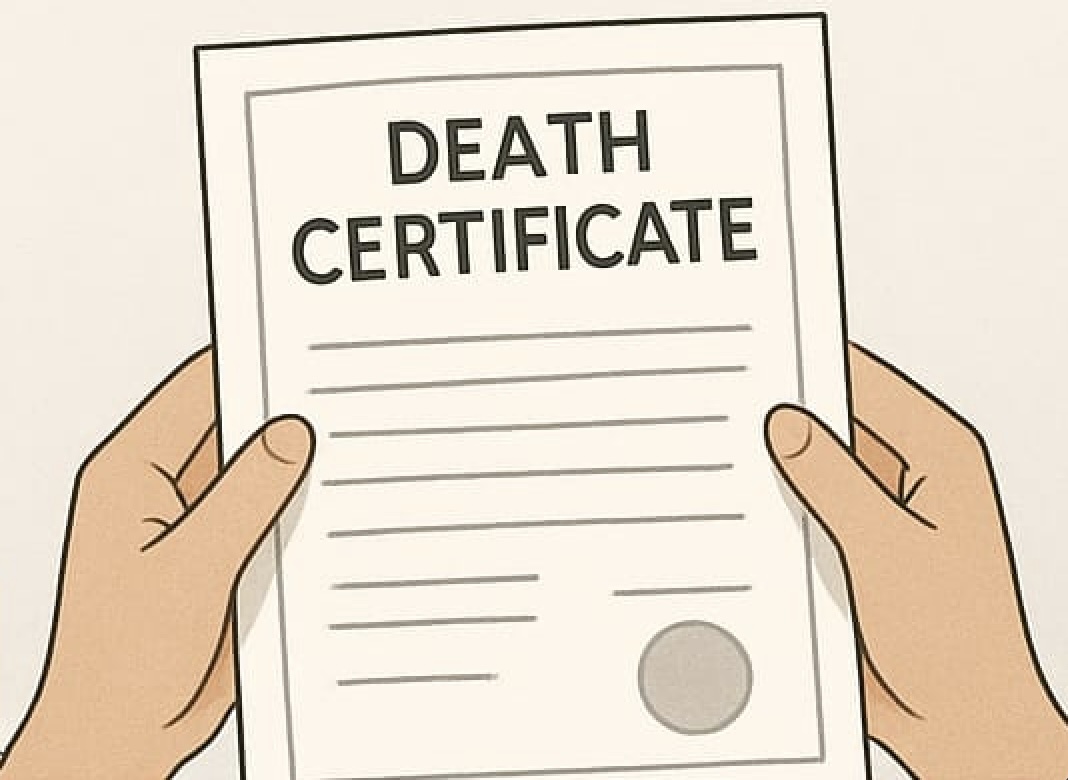
When you lose a loved one, the last thing you want to deal with is bureaucracy. However, obtaining a Death Certificate is one of the most critical steps in closing their affairs.
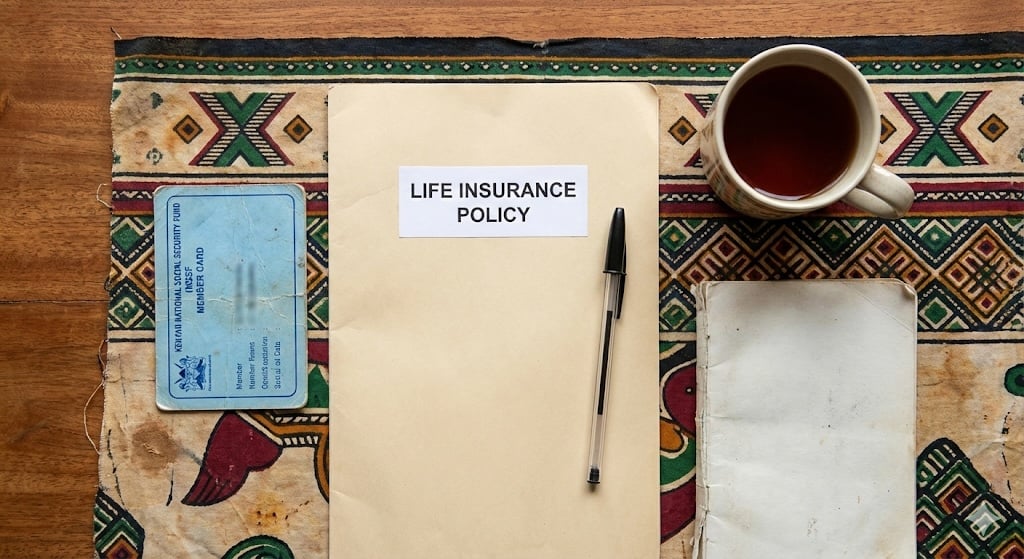
It is the key that unlocks everything else: insurance claims, accessing bank accounts, processing the succession of land, and claiming NSSF benefits.
Many families confuse the Burial Permit (which lets you proceed with the funeral) with the Death Certificate (which allows you to handle legal matters). This guide breaks down exactly how to get both, step-by-step.
Step 1: The Immediate Notification (Form D1)
Before you can get a certificate, the death must be officially “notified.” This happens differently depending on where the death occurred.
Situation A: Death in a Hospital
-
The hospital administration will issue a Death Notification (Form D1).
-
Ensure the details (names, dates) match the ID exactly. A typo here will cause headaches later.
Situation B: Death at Home
-
You must report the death to the nearest Police Station and your local Chief/Sub-Chief.
-
You will also need to notify the local health facility. A clinician or medical officer must verify the death before issuing the notification.
-
Note: If the death was sudden or suspicious, the police will require a post-mortem before releasing any documents.
Step 2: Getting the Burial Permit
Once you have the Notification (Form D1), you can apply for a Burial Permit.
-
Where: This is usually issued by the local Civil Registration Office (often located near the hospital or at the Huduma Centre).
-
Why: You legally cannot conduct a burial in Kenya without this permit.
Step 3: Applying for the Official Death Certificate
Wait! Before you proceed: Make multiple certified copies of the deceased’s National ID. You will likely be required to surrender the original ID card to the government to get the Death Certificate. If you don’t have copies, closing bank accounts later will be very difficult.
Where to Apply:
Visit the local District Civil Registrar of Births and Deaths (or the nearest Huduma Centre).
Documents You Will Need:
- The Death Notification (Form D1) – The copy given to you by the hospital/police.
- The Deceased’s Original National ID – To be surrendered for cancellation.
- Photocopy of the Deceased’s ID.
- The Applicant’s ID – (You, the Next of Kin).
- A Fee: Usually a nominal fee (approx. KES 50 - 150 depending on the county/timeline).
Timelines: How Long Does It Take?
-
Burial Permit: Usually issued immediately (same day) upon presentation of the D1 form.
-
Death Certificate: This takes longer. In major towns, it can take 3 to 5 working days. In rural areas, it might take a few weeks.
-
Late Registration: If you fail to register the death within 6 months, the process becomes “Late Registration,” which attracts a penalty and requires more vetting. Do not delay.
Why You Need Certified Copies
Once you have the original Death Certificate, do not give the original to anyone.
Go to a lawyer or a magistrate and get Certified True Copies. You will need these for:
-
Banks: To freeze or access accounts.
-
Insurance: To claim life insurance or last expense covers.
-
KRA: To file final returns and deactivate the PIN.
-
NHIF/NSSF: To claim survivor benefits.
Common Challenges & Solutions
-
Missing ID Card: If the deceased’s ID is lost, you will need a police abstract stating it is lost to process the certificate.
-
Typo in the Name: If the name on the Death Notification doesn’t match the ID (e.g., “Maina” vs “Maina.”), fix it at the hospital before going to the Registrar. Changing it later is a long legal process.
Paperwork is often the last thing you want to deal with when you are grieving. Just remember to take it one step at a time. There is no need to rush everything in a single day. Be gentle with yourself as you close these final chapters for your loved one.