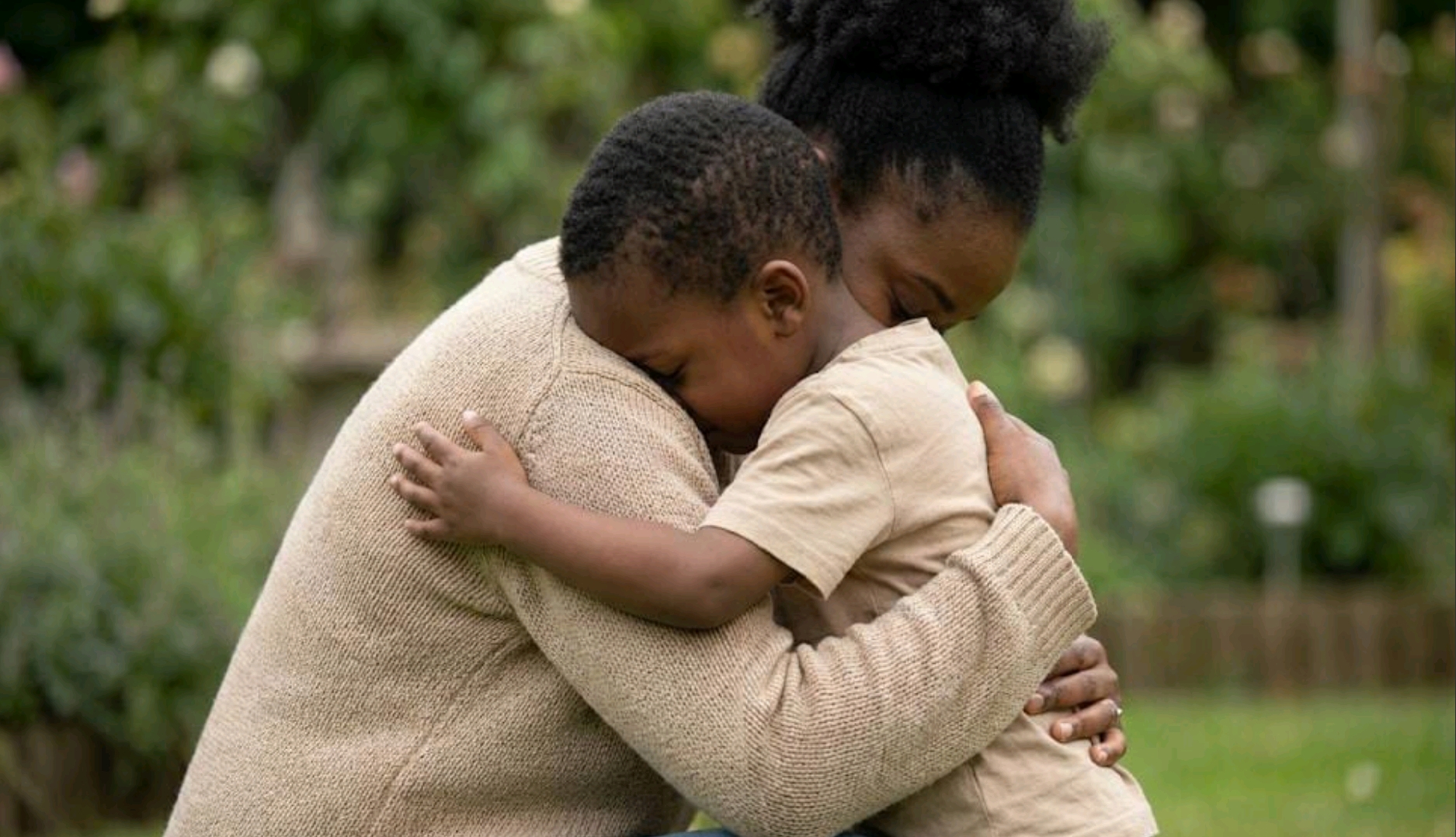
Helping Children Cope With Grief
Helping Children Cope with Grief
As adults, we often try to shield children from pain. When a loved one passes away, our instinct is to protect them, sometimes by using vague language or sending them away to relatives during the funeral.
But children, even toddlers, are incredibly intuitive. They feel the shift in the house. They see the tears. They notice the silence.
Losing a loved one is confusing and frightening for a child. Whether you are a parent, teacher, or auntie, this guide offers practical, culturally aware steps to support the children in your life through bereavement.
1. Understand That Kids Grieve Differently
A child’s understanding of death depends entirely on their age. You might see reactions that look like “bad behavior” but are actually grief.
-
Toddlers (1–4 years): They do not understand “forever.” They may ask repeatedly, “When is daddy coming back?” Expect regression like bed-wetting, clinginess, or sleep disruption.
-
Young Children (5–9 years): They may view death as reversible. They might act out in school or complain of physical pain (stomach aches, headaches) because they don’t have the words for “sadness.”
-
Preteens & Teens (10–18 years): This group understands finality. They may withdraw into their phones, show anger, take risks, or try to be the “strong one” by taking on adult responsibilities.
2. The Hardest Conversation: Breaking the News
The most common mistake we make is using “soft” words to protect them.
-
Avoid Euphemisms: Phrases like “He went to sleep” or “She went on a long journey” are terrifying to a child. They might become afraid of going to sleep or travelling.
-
Be Honest & Clear: It is painful, but you must use the words “died” or “passed away.”
- Say: “I have very sad news. Grandmother was very sick, and her body stopped working. She has died.”
3. Should Children Attend the Funeral?
Funerals can be intense. There is wailing, loud singing, and viewing of the body. Parents often ask: “Is it too much for them?” Generally, exclusion is worse than exposure. If a child is left out, they may feel abandoned or imagine something far scarier than reality.
How to Prepare Them:
-
Explain the Scene: “There will be a lot of people crying. That is how they show they loved him.”
-
Explain the Body: If there is a viewing, explain clearly: “He will look like he is sleeping, but he cannot hear or feel anything.”
-
Give Them an ‘Out’: Assign a specific “safe person” (like a favorite cousin) whose only job is to watch the child and take them for a walk if the service becomes too overwhelming.
4. Cultural Support: It Takes a Village
We are lucky to have strong community structures. Use them.
-
The Church & Community: Sunday school teachers and youth leaders can offer a layer of support outside the home. Alert them so they can be extra patient.
-
Involve the Elders: Grandparents often have a gentle way of explaining the cycle of life. Let them sit with the child.
-
Rituals help: Simple actions help kids process big feelings. Let them light a candle at church, pick a song for the service, or plant a tree in the shamba.
5. Communication: Listen More than You Talk
-
Validate, Don’t Minimize: Avoid saying “Don’t cry, you are a big boy now.” Instead, say, “It’s okay to be sad. I am sad too.”
-
The Power of Play: Children process trauma through play. If you see them “playing funeral” with their dolls, do not stop them. This is their way of making sense of what happened.
-
Memory Boxes: Create a physical box with photos, a piece of clothing, or letters. It gives them a tangible way to hold onto the person.
6. When to Seek Professional Help
Grief is not a sickness, but sometimes a child gets stuck. Look out for “Red Flags” that last for months:
-
Persistent refusal to go to school.
-
Intense separation anxiety.
-
Talk of self-harm or wanting to “join” the deceased.
-
A sudden, drastic drop in grades.
If you see these signs, speak to a school counselor or a child psychologist.
Conclusion
There is no “perfect” way to parent a grieving child. You don’t need to have all the answers. The most important thing you can offer them is your presence, your honesty, and the reassurance that they are safe, even though the world has changed.