How to Claim Life Insurance & Pension Benefits in Kenya
After the funeral is over, the financial reality sets in. If your loved one had a life insurance policy, an NSSF account, or a pension scheme, these funds are meant to support you. But accessing them can feel like a second full-time job.
Many families in Kenya give up on claiming smaller amounts because the paperwork feels endless. Others don’t even know these policies exist.
Let’s break down exactly how to unlock these funds; from the quick “Last Expense” payouts to the longer Pension processes, and how to find money you didn’t even know was there.
1. The First 48 Hours: “Last Expense” Policies
Most life insurance policies in Kenya have a “Last Expense” (funeral) component. This is designed to pay out quickly (usually within 48 hours) to help cover the burial costs.
-
Do not wait: Notify the insurance company immediately.
-
What you need: They usually only require the Burial Permit and the Death Notification (Form D1) to release this specific cash. You don’t need the full Death Certificate yet.
-
Tip: If your loved one was in a Chama or a Sacco, check if they had a group cover. These are often overlooked.
2. Claiming Life Insurance
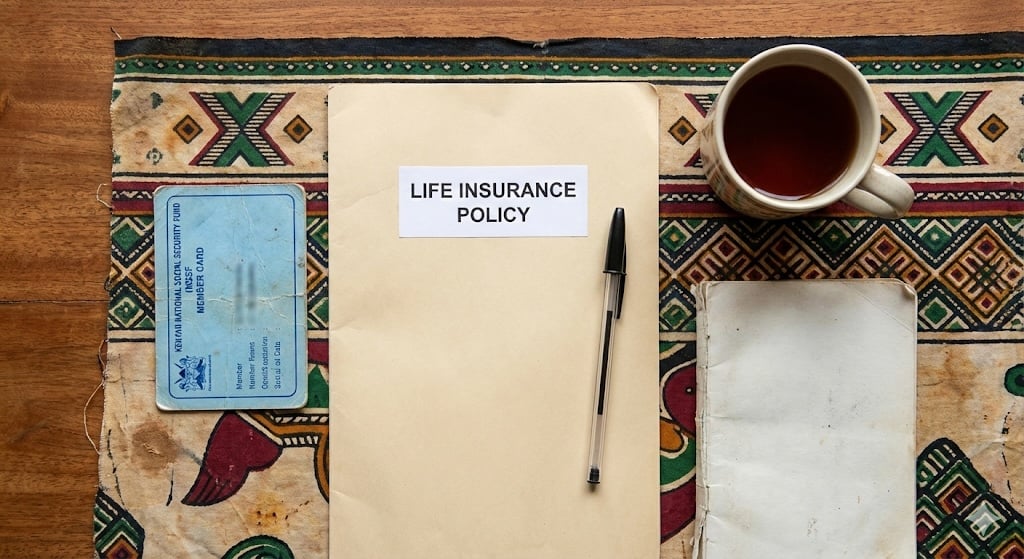
Once the funeral is over, you can process the main Life Assurance or Education Policy. This takes longer (2 weeks to a month).
Must-Have Documents:
-
The Original Policy Document: If you can’t find it, you will need to swear an affidavit of loss.
-
Certified Death Certificate: You need the official one from the Registrar, not just the burial permit.
-
Identity Checks: A copy of the deceased’s ID (or the surrender form) and your own ID.
-
Beneficiary Issue: If you were named as the beneficiary, the money comes directly to you. If no one was named, the money effectively gets “frozen” until you get Letters of Administration from the court.
3. Claiming NSSF & Pensions
This is where most Kenyans get stuck. The NSSF process is manual and requires patience.
-
NSSF Death Benefits: You must visit the nearest NSSF office.
-
Crucial Document: You will likely need a letter from the local Chief or District Officer (DO) confirming that you are the valid next of kin.
-
The Wait: NSSF claims can take 30–90 days to process.
-
-
Employer Pensions: Contact the HR department of their last employer immediately. Ask if they had a “Group Life” cover (often 3x their annual salary). This is a huge benefit many families forget to ask about.
4. Unclaimed Financial Assets (UFAA)
Did you know that billions of shillings in Kenya are sitting in the Unclaimed Financial Assets Authority (UFAA)? If your loved one had an old bank account, M-Pesa balance, or shares they forgot about, the money is sent here after a few years of inactivity.
-
How to Check: Dial *361# on your phone or visit https://ufaa.go.ke/
-
Search: Enter their ID number. If it shows “Positive,” start the claim process immediately.
5. Practical Checklist
-
Secure the documents: Gather the original Policy Document, ID copies, and Death Certificate.
-
Notify HR: Ask specifically about “Group Life” and “Pension” benefits.
-
Visit the Chief: Get the letter confirming your relationship (essential for NSSF).
-
Check UFAA: Run the USSD code *361# to check for lost assets.
-
Open a Bank Account: Ensure you have an active bank account in your name (not a joint one) to receive funds.
6. Common Pitfalls to Avoid
-
Surrendering the ID too early: As mentioned in our previous guide, ensure you have certified copies of the deceased’s ID before giving it to the government. Insurance/NSSF will ask for it.
-
The Broker Trap: You do not need a broker to claim NSSF or Insurance. Go directly to the offices. Brokers often take a huge cut of your benefit.
Conclusion
These funds are not a gift; they are the savings your loved one set aside to protect you. Do not let the paperwork scare you away. Take it one form at a time, and claim what is rightfully yours.